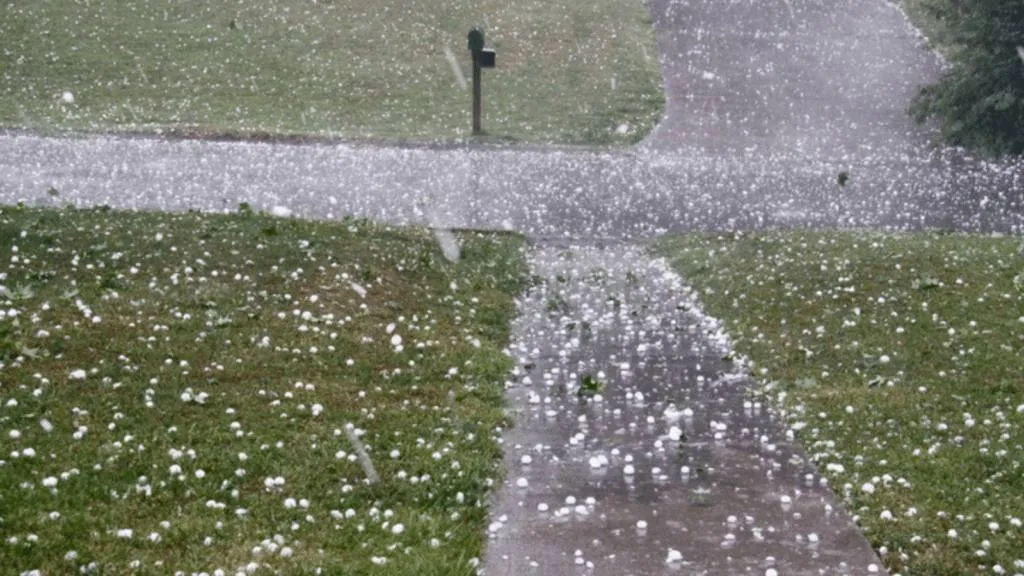
Unfortunately, hailstorms can cause severe damage to vehicles, homes, and other property. Many widespread fallacies about hail damage repair exist when repairing the number of cars, dwellings, and buildings that got hit. It’s important to dispel these myths and misunderstandings because they can cloud judgment, breed confusion among affected parties, and lead to the selection of inappropriate, unfair, or overpriced repair methods.
Definition:
https://www.merriam-webster.com/dictionary/dispel
1. My insurance will cover all hail damage repairs
Hail damage repair is often thought to be paid by insurance. However, that can neglect that insurance can have a limited role or require the policyholder to fulfill a deductible. Policyholders must look at their policies carefully, understand their coverage, and understand the kinds of deductibles their policies have before making these assumptions.
2. Hail damage is only cosmetic
People often think of hail damage as affecting only the appearance of a car or home. They see hail damage as something that is not a big deal or not a problem at all. But unlike many other common ideas, this isn’t based on a kernel of truth. It isn’t hard to see that when large hailstones strike a car, they will leave a big dent. More likely today than before, the vehicle will also be dented or broken on the roof, hood, and side panels. And those are only the appearances. Hail can also compromise a car or home’s otherwise solid, safe structure.

3. DIY repairs are just as effective as professional repairs
The idea that one can save money by handling hail damage repairs themselves is something some people might hold. Still, the truth is that do-it-yourself (DIY) repairs are insufficient and fleeting at best and could be even more costly. Trained technicians with specialized tools and techniques have the best chance of returning hail-damaged areas to their pre-loss condition. On the other hand, a DIY approach can create more significant problems, leading eventually to more expense and headaches if a direct repair process is not followed.
4. Hail damage repair takes too long
Hail damage is repaired at an unexpected speed by professionals. They may use body hammers or specialized tools to shape the damaged area. If the metal is too stretched or compressed to be repaired, they will cut away the damaged area and weld in a new piece, which is a little more complicated than basic dent repair. While the repair process can seem time-consuming, shops usually offer a quick turnaround to ensure that you’re not without your vehicle for too long or that your property is exposed for repairs that seem to drag on forever.
5. It’s too late to repair old hail damage.
It is a common belief that if hail damage to a vehicle has not been taken care of soon after it happened, it might as well be left as-is—since nothing can be done about it now. That is not the case at all, though. Even if it has been a while since the hailstorm, hail damage can be reversed entirely—leaving your vehicle in the condition it was before the storm hit. But if you choose to do nothing and put off the repairs for a bit, you might face an even bigger repair bill soon.
Final Thoughts
Understanding what hail damage repair entails will help clear up the numerous misconceptions surrounding the process. Here, five of these common myths are debunked. Understanding what fact and fiction are will empower those affected by hail storms with the knowledge to make better decisions on their hail damage repair project. If you have questions or need professional advice on hail damage or repair, please consult us here at Certified Hail.
Saturday by appointment only. We are closed Sundays and major holidays.