Skip to content
  • Skip to primary navigation
  • Skip to main content
  • Skip to footer
  • Skip to footer navigation
Certified Hail and Dent Inc. Logo

Colorado Springs Auto Dent Removal Service

Certified Hail and Dent

  • Home
  • About
  • Services
    • Auto Hail Repair
    • Paintless Dent Repair (PDR)
    • Bumper Repair
    • Auto Window Tinting
    • Clear Bra Installation
  • Before & After
  • Blog
  • Location
  • (719) 634-3368
Home » Blog » A Complete Guide to PDR for Aluminum Panels

A Complete Guide to PDR for Aluminum Panels

April 23, 2026 by Certified Hail and Dent

Paintless Dent Repair is an efficient and affordable way to repair vehicle dents without repainting or removing factory paint. As more automakers turn to aluminum to make cars lighter and more fuel-efficient, knowing how to fix aluminum panels becomes important. This guide explains how aluminum PDR works, what it costs, and what to expect in Colorado Springs.

Table of contents

  • The Basics of Aluminum PDR
  • What You Can’t Fix with PDR
  • Cost and Time Considerations
  • Quality, Integrity, and Durability
  • Finding a Local Expert
  • Environmental Impact and Insurance
  • PDR vs. Traditional Aluminum Dent Repair
  • How to Help Prevent Dents on Aluminum Panels
  • Final Thoughts

Estimated reading time: 6 minutes


A Complete Guide to PDR for Aluminum Panels

The Basics of Aluminum PDR

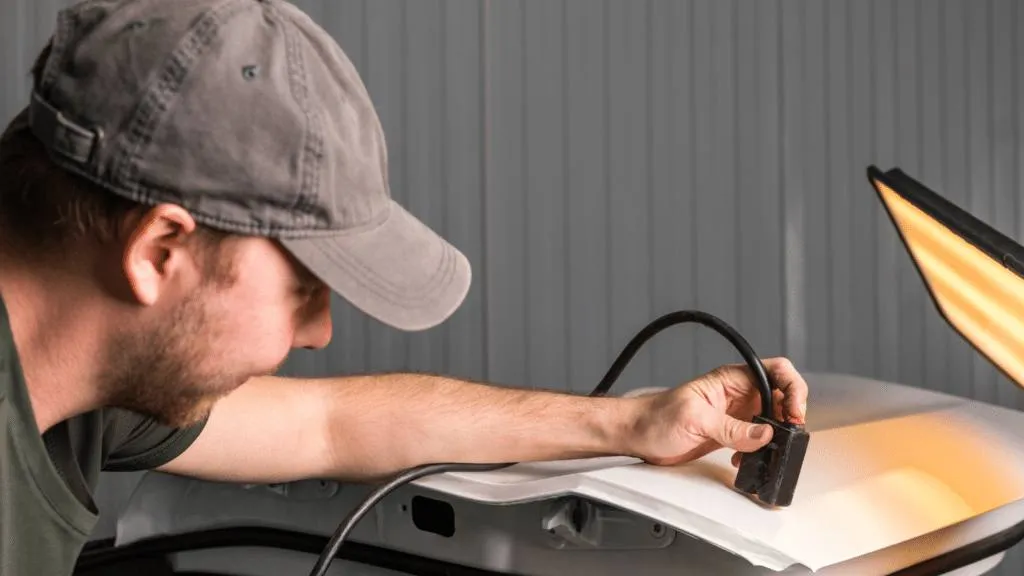
Paintless Dent Repair (PDR) is an automotive repair method that is used to fix small dents, dings, or hail damage on a car. Technicians use specialized tools behind the panel to restore the metal to its original shape. This preserves your vehicle’s paint and structure. Working with aluminum requires specialized knowledge and a different method than working with standard steel body panels. Aluminum doesn’t have the same “metal memory” as steel, which means it doesn’t naturally seek to bounce back to its original shape. Technicians carefully heat and reshape the aluminum while preserving the paint.

What You Can’t Fix with PDR

Not all dents and dings on aluminum panels are repairable with PDR. If there’s been a major collision that put sharp dents and large creases into the body, traditional auto body work may be necessary. If a body panel has been stretched too much, pushing it back can cause oil-canning. The panel may pop in and out instead of holding its shape. In addition, some types of damage won’t allow for paintless repair of the body panel at all. If the paint has chipped, cracked, or is missing, you won’t be able to restore it to its original condition, as you need the original paint to be undamaged for PDR to work. Damage to the very edge of a panel or the most reinforced structural parts may not be fixable, as those parts of the body panel may be difficult to reach or push without causing additional damage.

Cost and Time Considerations

The final cost of aluminum panel PDR repair in Colorado Springs is based on the dent’s dimensions, depth, and exact positioning on the vehicle. While a single small dent might run $150-$300, hail damage repair can start at $2,000-$5,000 (or significantly higher). At Certified Hail and Dent, we will always provide clear, honest estimates using standard pricing methods. Aluminum panels can generally cost more to repair than their steel panel counterparts. This is because aluminum requires specialized tools and additional training to repair. It can actually take twice as long to repair aluminum due to its hardness. Shops take this additional labor and expertise cost into account when determining the repair price.

Quality, Integrity, and Durability

A certified paintless dent repair technician can restore the panel so the damage is no longer visible when the repair is complete. Paintless dent repair is intended to restore the entire panel to its original condition. LED reflection boards are used to confirm that every inch of the repair is flush and there are no micro-scratches in the metal.

Repairing aluminum panels with paintless dent repair will never compromise their structural integrity. The opposite is true because traditional repair methods require scraping off protective coatings, adding body filler, and repainting. Paintless dent repair uses a simple method of massaging the panel back to its original shape without causing any damage. As soon as they are done with the repair, the metal will still have its original structural strength and factory-level protection against rust and corrosion.

Paintless dent repair is intended to last the entire life of the vehicle. This is because once the dent is removed and the metal is back where it belongs, it will never need to be addressed. Since no fillers or aftermarket layers of paint and clear coats were used, there will never be any shrinking or peeling over time. This repair will not fail unless the same area sustains damage again in the future.

Finding a Local Expert

Colorado Springs has PDR technicians who specialize in repairing aluminum panels, and due to the heavy, severe hailstorms that the Front Range sees on an annual basis, most local technicians in Colorado Springs have repaired thousands of aluminum panels on today’s new cars. The repair technicians at Certified Hail are specifically certified to work on aluminum and have extensive experience repairing high-strength aluminum on automotive vehicles. Certified Hail technicians will give you a detailed explanation of what the repair entails, offer a lifetime warranty, and know the specifics of the repairs they offer on aluminum vehicles.

Resource: earnpdronline.com

Environmental Impact and Insurance

Aluminum panel PDR is actually an environmentally friendly repair method. The process is completely green. The only things required are lights, tools, and expertise. Comprehensive auto insurance policies do cover PDR for aluminum panels. It should be the first choice for weather-related damage or no-collision damage. Insurance companies like PDR because it is faster, preserves the vehicle’s resale value, and is generally less expensive than cutting out and replacing entire aluminum panels. The first step is to call your insurance company to report the damage to your aluminum panels. Once you have a claim number, you bring your car to Certified Hail and Dent. The technician inspects the damage and works with your adjuster on the claim.

PDR vs. Traditional Aluminum Dent Repair

Traditional aluminum dent repair usually involves sanding the paint, pulling the metal back into place, applying body filler, and repainting the panel. Paintless Dent Repair works differently. Technicians reshape the metal from behind the panel, which means no filler and no repainting when the paint is still intact. Some aluminum damage is too severe for PDR. In those cases, a body shop may need to remove the damaged section or replace the panel entirely, then match the new paint to the surrounding area. This process takes more time and can increase repair costs.

PDR is often the better option because it helps preserve the original finish, keeps the original panel in place, and reduces the risk of paint mismatch. Aluminum requires the right amount of heat, pressure, and tool control. A poor repair attempt can crack the paint or stretch the metal, which may lead to a more expensive repair later.

Technicians use specialized tools for aluminum PDR, including:

  • Steel rods
  • Heat equipment
  • Knockdown tools
  • Blending hammers
  • LED reflection boards

Store-bought dent tools usually do not provide the precision needed to repair automotive aluminum safely.

How to Help Prevent Dents on Aluminum Panels

Preventing dents on aluminum panels starts with careful parking and weather protection. Tight parking spaces and busy areas increase the risk of door dings, while Colorado Springs hailstorms can leave extensive damage in a short time.

A few practical steps can help reduce the risk:

  • Park away from crowded areas
  • Choose covered parking when possible
  • Use a carport or garage during hail season
  • Cover your vehicle with a hail blanket

Final Thoughts

Preventing dents on aluminum panels starts with careful parking and weather protection. If your vehicle already has dents or hail damage, contact Certified Hail and Dent to schedule an inspection and get a clear recommendation for your repair options.

Footer

Location

Certified Hail and Dent
1394 South 21st Street
Colorado Springs 80904
Phone: (719) 634-3368
URL: https://certifiedhail.com/
Driving Directions

Hours Of Operation

Monday8:00 AM - 5:00 PM
Tuesday8:00 AM - 5:00 PM
Wednesday8:00 AM - 5:00 PM
Thursday8:00 AM - 5:00 PM
Friday8:00 AM - 5:00 PM

Saturday by appointment only. We are closed Sundays and major holidays.

Follow us

FACEBOOK

X

YOUTUBE

Copyright © 2026 · Certified Hail and Dent, 1394 South 21st Street, Colorado Springs, CO 80904 (719) 634-3368

  • Privacy Policy
  • Terms of Use
  • Contact Us