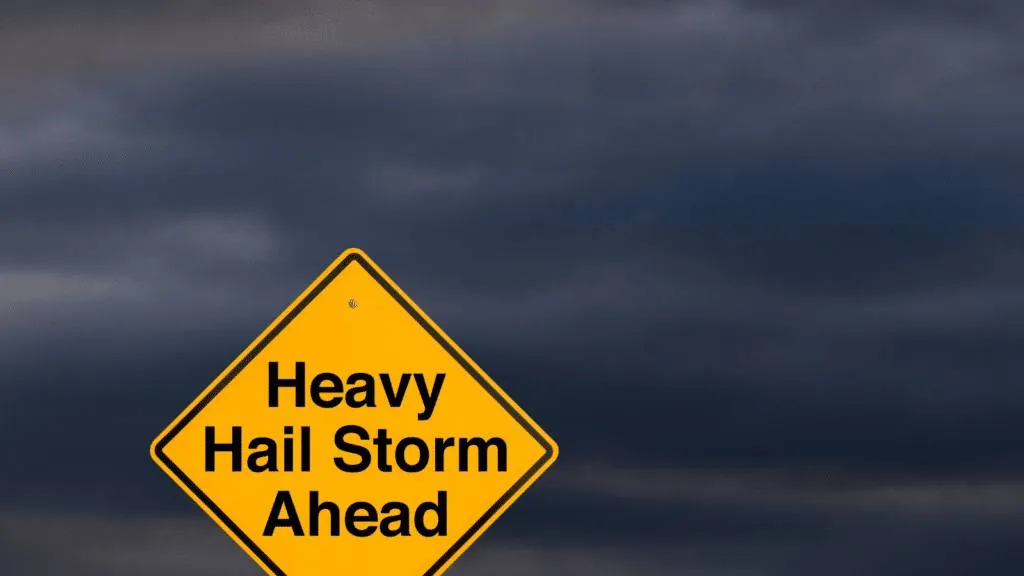
Cloudy skies, wind, and thunder rumbles could all be signs of an oncoming storm. Hail can sometimes seem to arrive without warning, leaving dents, shattered glass, chipped paint, and other exterior vehicle damage. Drivers in Colorado Springs may be particularly vulnerable to hail damage during storm season. Learning how hail forms, what damage it can cause, and what to do before, during, and after a storm may help protect your vehicle. Read on for information on hail formation and hailstone sizes, typical hail damage to vehicles, and how to protect your car from a hailstorm.
Table of contents
Estimated reading time: 6 minutes

What Is Hail?
Hail forms inside thunderstorms when strong updrafts carry water droplets into freezing areas of the atmosphere. Although many people associate ice with winter, hail commonly forms during warm-season thunderstorms. It is not solely a winter weather phenomenon. Sleet is usually only found when temperatures are below freezing. Hailstones form when strong updrafts carry supercooled water around ice pellets, snowflakes, or dust particles.
According to the National Weather Service, a thunderstorm is classified as severe when it produces one or more of the following:
- Hail one inch in diameter or larger
- Wind gusts of 58 mph or higher
Tornadoes
Hail measuring 1 inch in diameter, roughly the size of a quarter, can damage vehicles, homes, landscaping, and other property.
Hail Size
Weather reports often compare hailstones to familiar objects. The National Weather Service uses the following size comparisons:
- Pea: 1/4 inch
- Penny: 3/4 inch
- Quarter: 1 inch
- Golf ball: 1 3/4 inches
- Baseball: 2 3/4 inches
- Softball: 4 3/4 inches
The largest hailstone was reported to be 8″ across in Vivian, South Dakota, in May 2010. It weighed in at 1.9 pounds, according to the Weather Underground. Fortunately, hailstones rarely get that big. Though small-sized hail combined with heavy winds or a large amount of hail could damage your car.
Common Types of Vehicle Hail Damage
Car hail damage can be anything from minimal, like minor, shallow dents, to severe, including broken glass and exposed metal. Types of damage can be determined by hail size, wind speeds, and the time the hailstorm lasts. The angle the hail hits at, the materials used to make your vehicle’s body panels, as well as where the vehicle was when struck, are also factors in determining damage type.
Common types of hail damage to vehicles:
- Dents in the roof, hood, doors, fenders, or trunk
- Broken mirrors and windows, as well as windshields
- Paint chips or damage
- Damage to exterior plastic and trim pieces, such as moldings and light lenses
- Indentations at metal panel seams or along roof rails
- Damage to car technology, such as parking sensors or backup cameras
It is sometimes possible that hail damage is invisible to the naked eye. Small dents may go unnoticed or may be obscured by the color of paint, the contour of the car, or dirt and mud on the car. A professional inspection using specialized lighting and viewing angles can reveal dents that might otherwise go unnoticed.
What to Do During a Hailstorm
Planning ahead is one of the best ways to protect your vehicle from hail. Keep a close eye on the forecast, especially during the summer when hailstorms are most prevalent. If the storm looks likely, try to park in a garage, under a carport, or in any kind of covered parking. A protective hail cover may offer limited protection from smaller hailstones, but it may not prevent damage from larger hail. Blankets that absorb water become extremely heavy in the rain, and if not weighted down properly, can fly in the wind. The best shelter you can find is an overhang or structure. Do not park under any trees or limbs, utility lines, or anything that can detach and hit your vehicle.
What to Do If You Are Caught in a Hailstorm
Do not try to ride it out in your car. Do follow all local safety advice and avoid traveling during a hailstorm until it’s passed. If you are caught in a hail while driving, pull safely off the highway into a legal spot and turn on both your interior and exterior lights. If you are caught in a storm while traveling, remain in your car. Do not stop beneath an overpass or bridge, as doing so could obstruct traffic and create a greater risk of accidents.
What To Do After The Storm
After the storm has passed, you can begin to assess the damage to your car. The best time to do this is during daylight or in bright light. Look at different angles at your car’s body panels, the windshield and glass, headlights, mirrors, trim, roof racks, and painted surfaces. Take a picture of the damage while your car is still dry. Move your car to a different area to check the damage from new angles. Document the time and date of the storm and the location. Call your insurance immediately to find out if hail is covered under your policy, what the claims process is, and if there are any deadlines for filing a claim. Do not try to push out dents with your hands or power tools. You can ruin the paint and metal or cause more damage than it is already in, which can also make it much harder for a professional to fix the dent.
Can Paintless Dent Repair Fix Hail Damage?
In the event that hail struck your vehicle’s paint, creating a dent, Paintless Dent Repair (PDR) is a possible option. A technician can reshape the metal on the back side of the damaged panel, sometimes using special tools to extract dents from areas where they don’t have access to the interior of the panel. This repair method does not require repainting the vehicle, making it much easier than other methods. Keep in mind that PDR may not be the best option for deep dents with sharp creases, chipped paint, dented panels, or misaligned body parts. A technician can tell the extent of the damage accurately and the best method to repair it.
Get a Hail Damage Estimate in Colorado Springs
Hail damage can be misleading. What seems like minimal hail damage can include many dents across the body panels, as well as damage to the glass, trim, and other areas. Taking photos of the damage as quickly as possible is a must to help your insurance claim process. Contact Certified Hail and Dent to schedule your hail damage estimate for free!
Saturday by appointment only. We are closed Sundays and major holidays.