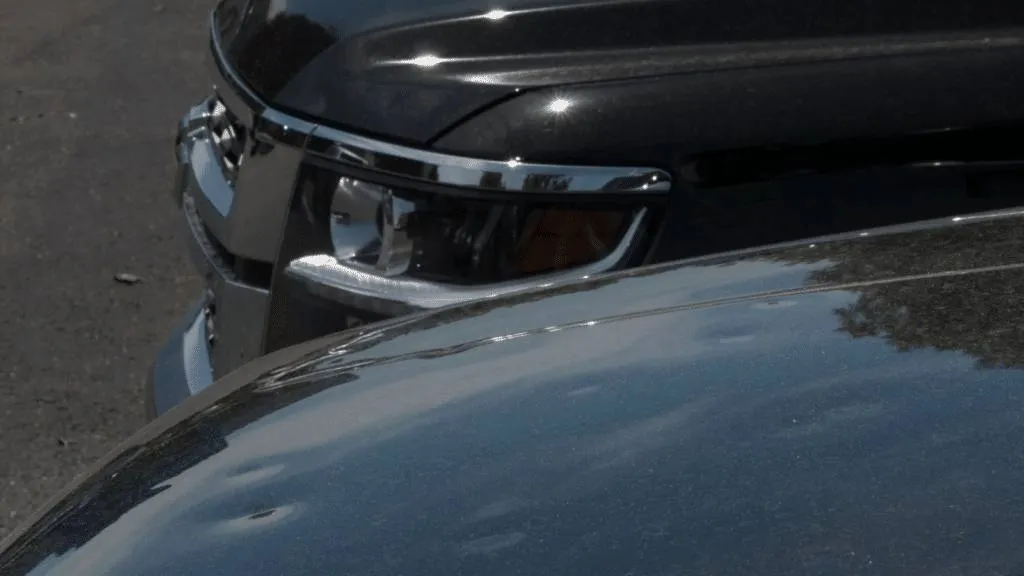
Hailstorms can develop quickly and leave significant damage in their path. Vehicles are often among the most vulnerable assets during a storm, especially when they are parked outdoors. Modern vehicles are designed with advanced materials and engineering, yet hail can still leave dents, dings, and panel distortions that affect both the appearance and value of a car.
Table of contents
Estimated reading time: 5 minutes

Modern Vehicle Panels Are Prone to Hail Damage
Newer cars are built with thinner materials to improve gas mileage and reduce weight. While this can be beneficial for many reasons, thinner materials mean your vehicle’s body is more likely to dent and ding when hit by hailstones. For example, smaller hailstones may only cause minor dimples on the surface of the paint job. However, larger hailstones can create deeper dents that require more time and money to repair. In a hailstorm, both the hood and roof are often impacted simultaneously. Modern vehicle panels are made from a variety of materials, including steel, aluminum, and composite materials. The most common places that hail will hit your vehicle are on the hood, roof, trunk lid, doors, and fender panels. Since these panels are relatively flat, they are more prone to denting and dinging when hailstones hit them.
The Physics of Hail Damage
When hailstones hit the body of your vehicle, they exert force on the metal paneling. Most panels are designed to withstand small amounts of force, such as when you shut the door of your car or when you drive over a bump in the road. Falling hailstones exert significantly more force on the panel than it was designed to handle. As a result, the metal will dent inward, and the paint will chip or crack. The amount of damage caused by hailstones depends on several factors. The size of the hailstones will make a big difference, as will the speed at which the hailstones are falling. In addition, the material that the panels are made of will affect how much they dent. For example, if the panels are made of aluminum, they will be more likely to dent than if they were made of steel. Finally, the angle of impact will make a difference. If the hailstones are falling straight down on the hood of your car, they will do more damage than if they were hitting at an angle.
Aluminum Panels and Hail Damage
Many new trucks and vehicles use aluminum panels in place of steel panels. This reduces the weight of the vehicle and improves the gas mileage. However, aluminum panels can be more prone to hail damage than steel panels. For this reason, vehicles with aluminum panels require specialized hail repair techniques. While they may be more prone to hail damage, they are also more resistant to corrosion. Aluminum panels are also good for the environment.
Paint Systems and Hail Damage
Modern vehicles use durable paint systems designed to resist chips, fading, and environmental wear. These multi-layer coatings often include:
- Primer
- Base color coat
- Protective clear coat
In many hailstorms, the paint surface remains undamaged even though the panel beneath it becomes dented. This type of damage is ideal for paintless dent repair (PDR) because technicians can reshape the metal without sanding, filling, or repainting. If hailstones are large enough, they may crack the paint surface.
Unseen Damage From Hail Storms
If you’ve been in a hail storm, you may think the dings and dents on your car are just minor, but there could be more damage than you realize. And this can affect your car’s appearance and longevity. For example, there are probably more dings and dents than you initially notice, and all of these dings and dents can hurt your car’s value. In addition, many dings and dents can cause uneven reflections on your car’s surface, which can decrease your car’s appearance. And if the hailstones were large enough, they could have damaged your car’s trim, window seals, and other moldings and accessories.
Why Early Inspection Matters
Many drivers assume that small dents are purely cosmetic. However, addressing hail damage early offers several benefits.
Early repair can help:
- Preserve the vehicle’s value
- Prevent minor dents from worsening
- Avoid more expensive repairs later
Insurance policies often cover hail damage under comprehensive coverage, which means vehicle owners may be able to repair the damage with minimal out-of-pocket cost.
How Modern Panels are Repaired
There’s no need to worry about unsightly fillers or paint jobs when you take your car to a body shop to have hail damage repaired. Body shops now have the technology to fix hail damage without using these methods. In most cases, body shops will use a paintless dent repair (PDR) technique, where they work the metal from the back of the panel to push the dings and dents out. This is the same process that car dealerships use to fix hail damage on their cars. A trained technician will carefully repair each ding and dent by hand, so your car will look like new again when you pick it up.
How to Prevent Hail Damage to Your Car
While there’s little you can do to prevent a hail storm from occurring, there are steps you can take to prevent hail damage to your car. The best way to prevent hail damage is to park your car in your garage or under a covered parking area when a hail storm is forecast for your area. If you don’t have access to either of these areas, try to park your car in a location that has some overhead protection, such as a carport or a parking deck. You should also keep an eye on the weather forecast, especially during hail season, or purchase a hail car cover, which will protect your car from hailstones. Consider also moving your car to a parking garage or under a covered area.
Resource: semanticscholar.org
Get Your Car Inspected for Hail Damage
Hail damage can affect vehicles of any make or model. Even small dents can accumulate across panels and reduce the appearance and value of your car. If your vehicle has been exposed to a recent hailstorm, a professional inspection can determine the extent of the damage and recommend the most appropriate repair solution. Contact Certified Hail to schedule a hail damage assessment.
Saturday by appointment only. We are closed Sundays and major holidays.