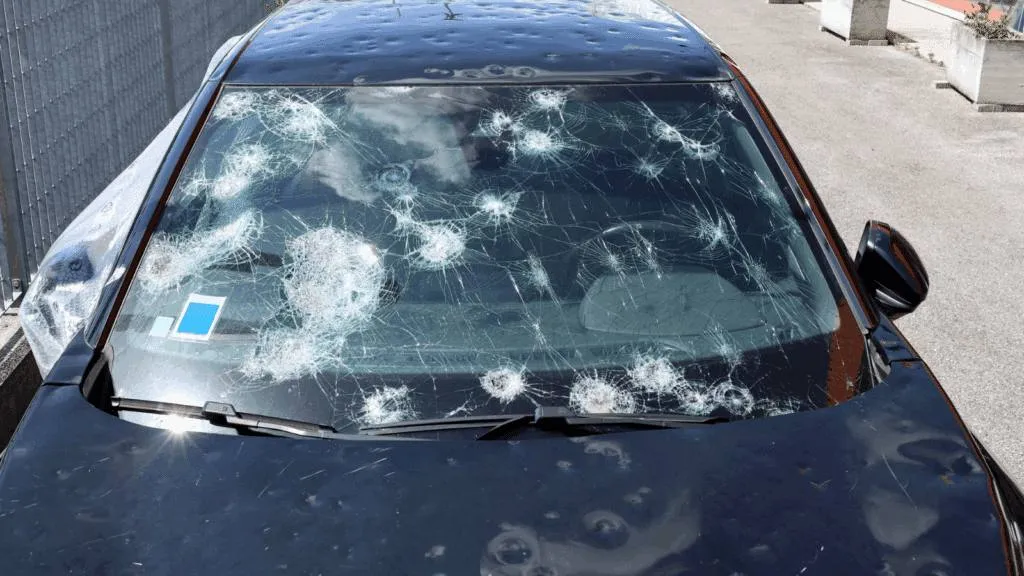
Hailstorms can cause significant damage to vehicles, and the aftermath often leaves drivers unsure how to assess the damage. While some hail damage may be apparent, others can be harder to detect. Here’s a comprehensive guide on how to check your car for hail damage after a storm and what steps to take if you find any damage.

1. Inspect the Exterior
Start by visually inspecting your car’s exterior. Walk around the vehicle and look for any dents, dimples, or chips in the paint. Hail damage typically appears as small, round indentations on the surface. Depending on the storm’s intensity, these marks can vary in size, but most hail damage will be small and shallow, although larger hailstones can cause more severe dents.
Key Areas to Inspect:
- Roof: The roof is the most common area for hail damage due to its exposure. Check for any visible indentations.
- Hood and Trunk: These areas can also be vulnerable, so inspect them closely.
- Windows and Windshield: Hailstones can crack or chip the glass, leaving visible cracks or chips behind. Be sure to look for any damage here.
- Side Panels and Doors: Look for any signs of damage along the sides of your vehicle, especially if the storm was severe.
2. Check for Dents in Unobvious Areas
While most damage is visible on flat surfaces, hail can also leave marks in less obvious places. Carefully check areas like the mirrors, bumpers, and fenders. These areas may be more challenging, so run your hand over the surface to feel for minor dings.
3. Inspect the Paintwork
In addition to dents, hailstones can damage your car’s paint. If you see small chips or scratches in the paint where the hailstones hit, it could be a sign of significant damage. A slight discoloration or dullness around the affected areas often accompanies hail damage to paint. If you notice this, it may be a good idea to get it inspected by a professional.
4. Look for Damage to the Tires
Although hail primarily affects the car’s exterior, check the tires. If the hailstorm was accompanied by high winds or heavy rainfall, debris could have caused further damage to the tires. Look for any punctures or cuts that might need repair.
5. Check for Structural Damage
If your car was damaged in a particularly severe hailstorm, the damage may extend beyond the exterior. Inspect the vehicle’s frame, especially around prominent dents. If the car’s structure seems compromised or there’s an unusual noise when driving, consult a professional for an inspection.
6. Evaluate the Functionality of Your Car
After inspecting the exterior for visible damage, check if everything functions properly. Roll down the windows, test the lights, and ensure the doors are not damaged. Sometimes, hail damage can affect the car’s functionality, especially if the storm was severe enough to damage the electrical components.
7. Assess the Damage in the Light
It’s best to inspect hail damage in daylight, when sunlight highlights imperfections. Hail damage can be more difficult to detect under artificial lighting or in the dark, so assess the car during daylight hours for a more thorough check.
Reference: merriam-webster.com/dictionary/artificial
What to Do if You Find Hail Damage
If you discover hail damage on your car, the next step is to contact your insurance provider. Many insurance policies cover hail damage, so reporting the damage promptly is essential. Take photos of the affected areas and document the damage to ensure a smooth claims process. Depending on the extent of the damage, you may need to visit an auto body shop for repairs, including paintless dent repair or a complete repainting job.
Final Thoughts
Checking for hail damage after a storm is essential to ensure your vehicle is still in good condition. By inspecting your car’s exterior, paintwork, tires, and functionality, you can identify any damage that needs to be addressed. Contact your insurance company for further assistance and repairs if you find any issues. If you’re unsure about the extent of the damage or need professional help, don’t hesitate to reach out to experts for a more thorough inspection.
Saturday by appointment only. We are closed Sundays and major holidays.