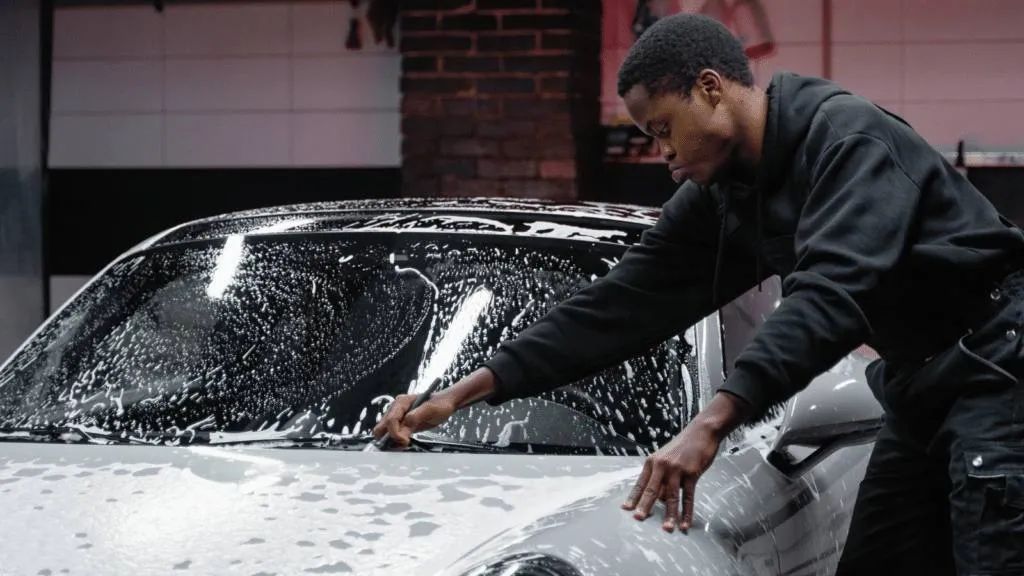
Your vehicle’s paint does much more than give the exterior its color and shine. The painted finish also helps protect the metal panels underneath from moisture, road grime, and corrosion. Regular care can keep the finish looking clean while helping the vehicle retain its appearance and value. Vehicle owners in Colorado Springs contend with extreme sun exposure, sudden hailstorms, road grime during the winter, dust, and loose rocks on the road. These conditions can damage exterior paint or leave the finish looking dull when dirt is left untreated. Here are 10 Tips to Keep the Finish on Your Vehicle in Top Condition, so you can help preserve the finish throughout the year.
Table of contents
- 1. Wash the Vehicle Frequently
- 2. Wash With Products Formulated for Automotive Paint
- 3. Washing From the Top of The Vehicle Down
- 4. Dry the Surface Carefully
- 5. Apply Wax or Sealant
- 6. Park Under Cover When Possible
- 7. Clean Off Bird Droppings and Tree Sap Immediately
- 8. Fix Paint Chips and Scratches Right Away
- 9. Explore a Paint Protection Film Option
- 10. Inspect Your Vehicle After a Hail Storm
- Final Thoughts
Estimated reading time: 6 minutes
1. Wash the Vehicle Frequently
Dust, dirt, sap from trees, bird droppings, debris from road salt, and other substances will often stick to vehicle finishes. If they stay on too long, they may cause staining, dull patches, and scratches on painted surfaces. Wash the vehicle every week to two weeks based on the weather, roads, and other conditions. Sometimes a faster, quicker wash is in order after snow, heavy rain, a trip through construction areas, or long periods spent under trees or other areas with falling leaves or sap. The goal is to remove abrasive substances before they damage the finish.

2. Wash With Products Formulated for Automotive Paint
Regular household dish soap and most cleaning agents will remove the protective wax on vehicle finishes. Select an automotive wash soap that is designed for car finishes and has a neutral pH. Avoid using ordinary rags, brushes, or sponges that will not be suitable for paint surfaces. Select a wash mitt and microfiber cleaning cloths. Microfiber traps dirt more effectively than other fabrics. Small pieces of dirt or dirt embedded in rags or brushes could leave swirl marks when rubbed against the finish. Rinse frequently and replace old or worn microfiber cleaning items.
3. Washing From the Top of The Vehicle Down
The lower areas of the vehicle will generally be the dirtiest, covered with road grime, mud, and other road debris. Washing from the roof down keeps these dirty areas off of cleaner portions of the finish. Rinse loose dirt from the surface before washing any areas. Washing one area at a time allows you to remove soap while it is still wet. Do not leave water and soap on the surface, as they may spot quickly in the sun, especially on a hot car or during the summer months.
4. Dry the Surface Carefully
Allowing water to evaporate may leave mineral residue behind, especially if the area where the vehicle is washed has hard water. After rinsing, dry the vehicle with a clean microfiber or drying towel designed for automotive use. Gently glide the towel over the paint surface to prevent dragging particles across the surface. Clean the towel regularly so that abrasive debris does not get caught in it. Be sure to dry all areas such as trim, door handles, mirrors, and panel gaps since these areas may retain water.
5. Apply Wax or Sealant
Car wax and sealant help create a barrier between the finish and dirt and other elements such as UV rays and contaminants. Wax or sealant makes surfaces easier to clean and can also help protect against the damaging effects of the sun, water, and other elements such as bird droppings and bugs. Follow the application instructions on your wax or sealant product. Check the condition of your wax or sealant and apply another layer depending on the type of wax, the weather, exposure, and frequency of washes. Watch to see if water beads and sheds normally from the surface.
6. Park Under Cover When Possible
When you can, park in a garage, carport, or any covered area to shield your car against strong sun, tree limbs, bird droppings, tree sap, snow, and hail. Covered parking can help protect vehicles from hail and other storm-related damage in Colorado. If covered parking isn’t an option, find shade. Parking under a tree could also result in the issues above. You could apply a fitted, breathable car cover if you expect your car to stay parked for some time. Keep in mind that you don’t want to trap dirt or debris on your car beneath the cover because it could scratch the finish. Clean your car and cover first, then fit the cover on.
Resource: weather.gov
7. Clean Off Bird Droppings and Tree Sap Immediately
When bird droppings, bug fragments, and tree sap stick on the paint, they can stain the car’s clear coat. You can avoid long-term staining if you remove them right away. Water or a cleaner suitable for automotive paint will soften the material so you can easily remove it. Using a clean microfiber towel, wipe away the debris. Scraping hardened deposits with your fingernail, a plastic card, or another household item could harm the clear coat.
Resource: uti.edu
8. Fix Paint Chips and Scratches Right Away
Scratches and chips can expose your car’s base material to water. Repairing these early helps to minimize rust and prevent the area from getting bigger. A touch-up pen can be used for very small surface chips if it matches the vehicle’s paint. For deep scratches, extensive peeling, exposed metal, or damage near a dent, get in touch with a certified body shop. The color should match the vehicle closely, and the surface should be properly prepped for a clean repair.
9. Explore a Paint Protection Film Option
Paint protection film, sometimes known as a clear bra, adds an invisible layer to areas of the vehicle prone to impact. Common locations to apply paint protection film include the hood, front bumper, side mirrors, and front fenders. The film helps defend the car’s paint from minor stones, road debris, insects, and faint surface scratches. For the right fit and to avoid bubbles, edge-lifting, or visible seams, have your paint protection film professionally installed. Certified Hail and Dent can install clear bra on your vehicle in Colorado Springs if you’re looking for extra paint protection.
10. Inspect Your Vehicle After a Hail Storm
After a storm, take a look at your car. Small dents, chips, or cracks in the paint, and even barely noticeable damage to panel sections, can occur from hail. Examine the hood, roof, trunk, doors, and fenders. Small surface dents are often easier to spot in certain lighting conditions that reveal shadows and reflections. Get your insurance claim started and take photos of the vehicle when you think you’ll be filing one with them. Don’t wash or try to fix the car first. The damaged body panel will be a candidate for paintless dent repair when it still has paint and only shows dents from hail. A qualified technician can take a look at the damage and suggest the most suitable method to restore it.
Final Thoughts
Regular washes, careful drying, covered parking, and addressing damage immediately will help to save your car’s paint. Small changes go a long way, especially when your vehicle is often subjected to sunlight, hailstorms, dust, and road salts in winter. Schedule an appointment with Certified Hail and Dent, which provides hail repair, paintless dent repair, bumper repair, and clear bra installation in Colorado Springs.
Saturday by appointment only. We are closed Sundays and major holidays.