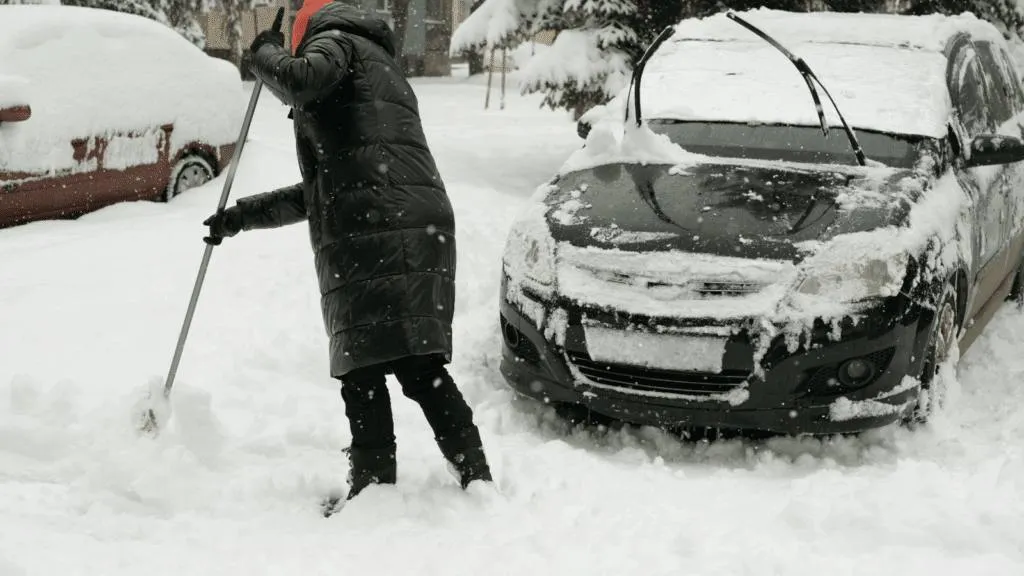
Winters in Colorado can be rough on your car. Snow, ice, road salt, and fluctuating temperatures can eat away at your paint and exterior finish more quickly than you might realize. With some preparation and attention before and during the winter months, you can protect your car’s finish, keep its resale value high, and prevent costly repairs down the line.
This guide will detail the effects of winter on your car, as well as some steps that you, as a Colorado driver, can take to help keep your car in good shape throughout the season.
Key Takeaways
- Winters in Colorado can damage your car’s finish due to snow, ice, and road salt.
- Regular washing and applying sealants help protect your vehicle’s paint from winter hazards.
- Touch up any chipped paint quickly to prevent rust from forming underneath.
- Parking in a covered spot reduces exposure to harsh winter elements and protects your car.
- Annual professional inspections can identify hidden winter damage before it leads to costly repairs.
Table of contents
- Colorado Winters and Car Paint
- Exposure to Road Salt and Chemicals
- Accumulating Snow/ice, Moisture Holds
- Many Washes During the Winter Months
- Seal It
- Touch Up Chipped Paint ASAP
- Always Park in a Covered Spot if You Have the Option
- Why a Professional Inspection Is Important after Winter:
- Protecting Your Vehicle Every Year
- Last Word
Estimated reading time: 5 minutes

Colorado Winters and Car Paint
In Colorado, the harsh winter weather means that these elements are consistently being exposed to car surfaces. When it comes to road salt and de-icer, it tends to stick in the low areas of your car and on the wheels, and if they aren’t removed, water and moisture can accumulate in those areas, leading to rust. Paint and clear coat shrink and expand in extreme temperatures, making them less effective. Sand and gravel cause impact damage that can chip and pit the surfaces of your car, and the more often it happens, the more noticeable the damage will be.
Resource: usa.streetsblog.org
Exposure to Road Salt and Chemicals
Since salt can cause rust to form, it will further penetrate the scratches in the paint. This is a concern for any part of the car where the paint has already been damaged, but it will be of particular concern in areas that are closest to the ground, such as the bottom of the doors, rockers, bumpers, and underside of the body and suspension. If you leave salt on the car through multiple freeze-thaw cycles, the paint in the scratch can flake off, allowing rust to form underneath.
Accumulating Snow/ice, Moisture Holds
Snowmelt that freezes again on the painted surface will trap moisture against the clear coat. Ice formation along the edge of trim or body panels can exert force against the paint, causing it to crack or peel. The longer your car is outside in a storm, the greater the chance it has of sustaining permanent damage.
Many Washes During the Winter Months
A good rinse with a car wash helps wash away the salts, dirt, and any chemicals before they have time to do any real damage. Be sure to use a touchless car wash or one that focuses on the underside of your vehicle to really get the areas that need it most. If you can, try to wash your car by hand and then dry it off to prevent any water from freezing on the car. This is especially true after a large snowfall or after driving long distances on the highway.
Seal It
Sealants, such as wax or paint sealants, are designed to protect your car’s paint from the harsh conditions of winter. By applying a layer of sealant, you’ll protect the paint from coming into direct contact with the salt and water, making cleaning and upkeep simpler. While it’s best to apply a sealant prior to the start of winter, there’s still some value in applying one mid-winter if you haven’t already done so.
Touch Up Chipped Paint ASAP
Chips and scratches leave the metal exposed to water, which can cause rust to form. Touch-up paint or a trip to a repair shop will cover up the exposed area, preventing rust from forming underneath. Checking your car regularly, following storms and long trips, can help you catch problems when they’re still easy to fix.
Always Park in a Covered Spot if You Have the Option
If you have a garage or carport, try to park your car inside as often as you can to minimize its exposure to snow, ice, and freezing rain. If you don’t have a fully enclosed structure, even parking under an awning will help keep your car dry, which can go a long way in keeping rust at bay, and make it easier to keep your car’s finish safe from those sharp ice scrapers.
Why a Professional Inspection Is Important after Winter:
Winter damage is most likely to occur in hidden areas where salt can accumulate, such as behind moldings and in crevices. If there are small spots of paint missing, the problem can spread as the weather warms up. Annual inspections by a professional will spot any corrosion or paint problems, and help you to take care of them before the damage spreads and the repair bills mount.
Protecting Your Vehicle Every Year
Winters in Colorado are a fact of life; however, unnecessary paint damage to your car is completely avoidable with regular maintenance and prompt action. Those who take the time to protect their vehicle during the winter months will be rewarded with a longer-lasting finish, reduced need for costly touchups, and a higher resale value in the years to come.
Last Word
We at Certified Hail can inspect your vehicle to check for winter damage and prevent damage to the finish of your car or truck. Contact us to schedule an inspection so you can rest assured your car will stay protected all season long in Colorado.
Saturday by appointment only. We are closed Sundays and major holidays.