Skip to content
  • Skip to primary navigation
  • Skip to main content
  • Skip to footer
  • Skip to footer navigation
Certified Hail and Dent Inc. Logo

Colorado Springs Auto Dent Removal Service

Certified Hail and Dent

  • Home
  • About
  • Services
    • Auto Hail Repair
    • Paintless Dent Repair (PDR)
    • Bumper Repair
    • Auto Window Tinting
    • Clear Bra Installation
  • Before & After
  • Blog
  • Location
  • (719) 634-3368
Home » Blog » What Makes Auto Hail Repair Different From Standard Body Work?

What Makes Auto Hail Repair Different From Standard Body Work?

March 8, 2026 by Certified Hail and Dent

A hail storm can cause your car to be littered with dents in a matter of minutes. After the storm, most people believe that hail damage repair is similar to a regular body repair. Truth be told, hail damage repair is handled in a completely different manner than other collision repairs. Knowing the difference will help you select the correct repair facility and ensure that the long-term value of your car will be protected.

Table of contents

  • What is hail damage?
  • Paintless Dent Repair vs Traditional Body Work
  • Traditional Body Work
  • Protecting Original Paint and Resale Price
  • Time and Efficiency
  • Hail Damage Claims
  • Training and Equipment
  • When Traditional Body Work Is Necessary
  • Final Thoughts

Estimated reading time: 5 minutes


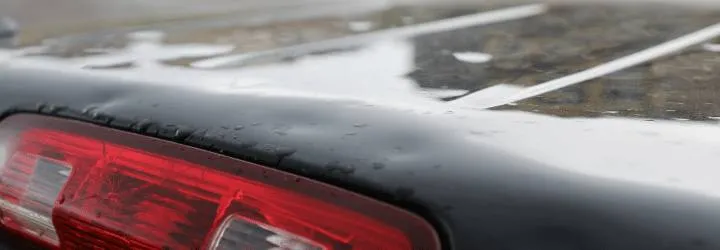
What Makes Auto Hail Repair Different From Standard Body Work?: Car with hail damage

What is hail damage?

Hail damage is characterized by multiple small to medium-sized dents on the hood, roof, trunk, and side panels. The paint usually remains undamaged, but the metal beneath it is deformed. There are typically no scratches, broken bumpers, or misaligned body panels as you’d find with most fender benders. Most body work is concentrated in a specific area of impact. If you hit another car or a sign, for example, that will typically damage one area of your car and possibly your paint, panel, lights, or frame. Hail damage is different. You could have 30, 100, or more dings on multiple panels. The difference in damage signature means a completely different repair strategy.

Resource: agworkers.com

Paintless Dent Repair vs Traditional Body Work

One of the main differences between hail damage repair and body work is how the damage is fixed.
Paintless Dent Repair (PDR) is a method used to remove small dents and dings from vehicles without damaging the paint. Paintless Dent Repair (PDR) is a process of removing small dents and dings without damaging the paint. The majority of hail damage repair work done on a professional level is done using Paintless Dent Repair (PDR). This is the process of manipulating the metal from behind the panel to return it to its original shape. Pressure is applied with specialized tools in such a way that no sanding, filling, or repainting is necessary. The original factory paint was not damaged, and the finish is still in excellent condition. The original paint being preserved is crucial for both resale and longevity.

Traditional Body Work

Standard body work requires sanding out the damaged area, filling the area with body filler, and repainting the panel to match the rest of the vehicle. Sometimes it requires replacing panels or repairing structural damage. Painting can cause paint mismatch and lead to future paint problems. This is often required for a majority of collision repairs, but is not needed for most hail damage repairs.

Protecting Original Paint and Resale Price

The paint used at the factory is done so in a controlled environment, which is nearly impossible to match in a body shop. The paint isn’t disturbed when hail dents are removed with PDR. This is an important consideration if you ever intend to trade in or sell your car. Typically, a routine body work and paint job will appear on a vehicle history report or can be identified through an inspection. Many buyers and dealers want cars with the original paint jobs and the least amount of repainting. The goal of hail damage repair is to repair the panel as it was originally made. This keeps the cosmetic appearance and resale value intact.

Time and Efficiency

There is also a major discrepancy in repair times. Hail repair facilities exist to take in large quantities of cars following hailstorms. Technicians at these facilities are specifically trained for dent repair, and they operate on multiple panels at once. It can be quicker than bodywork, as long as there is no painting involved. Some collision repairs involve disassembly, part orders, painting, drying, and reassembly. Each of these actions involves time at the job. Efficiency does not mean cutting corners. It means using the right technique for the specific damage.

Hail Damage Claims

Hail damage is usually covered under comprehensive automobile insurance, not collision coverage. Many hail repair companies work with insurance companies and know the process. In the aftermath of a storm, repair shops can help with inspections, estimating, and documentation. Hailstorms usually hit a geographic area, so the insurance company knows there will be a large number of claims and will use established hail repair shops to help handle the volume. Typical body shops deal with insurance companies, too, but hail damage is handled under a separate type of claim and sometimes even a different type of estimate.

Resource: www.progressive.com

Training and Equipment

Not everyone can fix hail damage. Hail repair specialists must receive specialized training in dent removal. Lighting, reflection boards, and specialized tools are all used to locate even the tiniest of dents. The aim is to remove the dents and restore the panel to its original appearance prior to the hail storm, all without the need for replacing any parts. The traditional body shop deals with a variety of repairs, such as frames, bumpers, mechanical, and repainting. Skill levels and tools may vary depending on the damage. The reason you should select a shop that only does hail damage is that the technicians do storm damage every single day.

When Traditional Body Work Is Necessary

Occasionally, large hail will crack the paint, or even worse. In that case, a combination of PDR and conventional painting will be needed. A hail repair expert will evaluate your vehicle and give you an honest opinion about what is the right course of action for your vehicle.

Final Thoughts

Hail damage repair is not regular body work on smaller dents. It is a unique service intended for hail damage. The technique, tools, insurance claims processing, and repair approach are different.
If your car has suffered hail damage, choosing a repair facility that specializes in hail repair can result in more precise repairs. Certified Hail technicians know how to address the specific needs of storm damage repair to maintain your car’s original finish. Contact us to schedule your free estimate and let one of our experts carefully assess your hail damage.

Footer

Location

Certified Hail and Dent
1394 South 21st Street
Colorado Springs 80904
Phone: (719) 634-3368
URL: https://certifiedhail.com/
Driving Directions

Hours Of Operation

Monday8:00 AM - 5:00 PM
Tuesday8:00 AM - 5:00 PM
Wednesday8:00 AM - 5:00 PM
Thursday8:00 AM - 5:00 PM
Friday8:00 AM - 5:00 PM

Saturday by appointment only. We are closed Sundays and major holidays.

Follow us

FACEBOOK

X

YOUTUBE

Copyright © 2026 · Certified Hail and Dent, 1394 South 21st Street, Colorado Springs, CO 80904 (719) 634-3368

  • Privacy Policy
  • Terms of Use
  • Contact Us