Skip to content
  • Skip to primary navigation
  • Skip to main content
  • Skip to footer
  • Skip to footer navigation
Certified Hail and Dent Inc. Logo

Colorado Springs Auto Dent Removal Service

Certified Hail and Dent

  • Home
  • About
  • Services
    • Auto Hail Repair
    • Paintless Dent Repair (PDR)
    • Bumper Repair
    • Auto Window Tinting
    • Clear Bra Installation
  • Before & After
  • Blog
  • Location
  • (719) 634-3368
Home » Blog » When Does Cosmetic Damage Become A Structural Concern?

When Does Cosmetic Damage Become A Structural Concern?

May 26, 2026 by Certified Hail and Dent

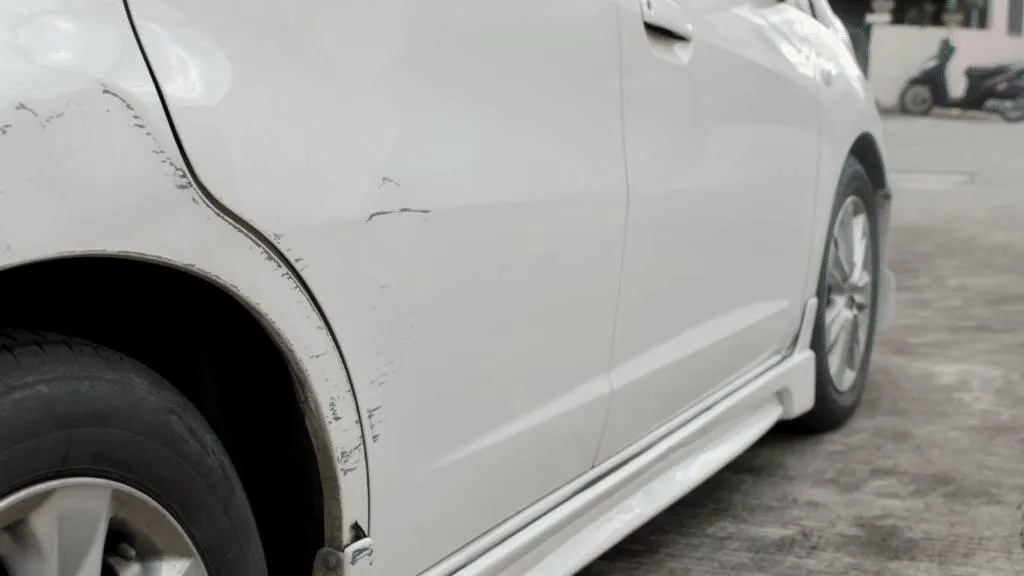
Hail dents, door dings, bumper scuffs, and minor creases may appear purely cosmetic in the beginning. Often, the damage to a vehicle will only occur to the outer skin of the car. A skilled professional will most likely be able to perform paintless dent repair, especially if the paint is unbroken and the metal panel has not been overstretched. However, visible exterior damage may indicate a deeper problem. A dent may interfere with how a panel closes, how water drains, and how the automated safety sensor works. Recognizing when cosmetic auto body damage escalates into a structural concern can help Colorado Springs motorists to protect their cars, prevent costly future repairs, and make an informed insurance decision.

Table of contents

  • What is Considered Cosmetic Damage?
  • When Damage Becomes a Deeper Concern
    • Cracked Paint or Exposed Metal
    • Deep Dents or Sharp Creases
    • Damage Near Edges Or Seams
    • Glass or Window Damage
    • Bumper or Sensor Damage
    • Roof or Pillar Damage
  • Why Fast Inspection Matters
  • Can Paintless Dent Repair Help?
  • Insurance Claims for Auto Hail Damage
  • Final Thoughts

Estimated reading time: 5 minutes


When Does Cosmetic Damage Become a Structural Concern?

What is Considered Cosmetic Damage?

Cosmetic damage generally describes dents or scratches to a vehicle that do not impact the vehicle’s primary safety or operation. This includes:

  • Small hail dents on the hood, roof, trunk, or doors
  • Minor door dings
  • Light bumper scuffs
  • Small surface scratches
  • Creases where the paint is unbroken

Often, cosmetic car dents can be treated with paintless dent repair (PDR). PDR can allow professional technicians to coax the metal back into its original shape without sanding, replacing the panel, or repainting the area. Certified Hail and Dent focuses on auto hail and paintless dent repair in Colorado Springs. For minor damage where the factory paint is still intact, PDR is often a viable repair method.

Reference: merriam-webster.com

When Damage Becomes a Deeper Concern

Cosmetic damage may progress to a structural concern if it impacts anything other than the car’s finish. An exterior dent may appear relatively small, but it can still put stress on the metal, paint, seals, or adjacent body parts. Here are some tell-tale signs that warrant a professional inspection.

Cracked Paint or Exposed Metal

The vehicle’s paint job isn’t just for show. It’s there to safeguard the metal against humidity, road salt, solar exposure, and corrosion. Dents are a concern when they involve broken, chipped, or peeling paint. Once bare metal is exposed to the elements, rust begins to form. Rust can migrate beneath the paint layer, causing the area to deteriorate. What started as a small hail dent may ultimately require costly body repair work if ignored.

Deep Dents or Sharp Creases

Shallow dents are typically more straightforward to repair because the sheet metal has not been overstretched. Conversely, deep dents, sharp creases, or dents along body lines could be cause for alarm. This can cause panels adjacent to the creased area to sit unevenly. In some cases, PDR may not suffice, especially if the metal is misshapen or the paint is damaged.

Damage Near Edges Or Seams

Dents near panel edges, seams, door frames, trunk seams, or hood lines require extra attention. These areas allow panels to close securely, seal properly, and fit correctly. A dent near a seam, for example, can lead to panel gaps that allow water, debris, or wind to seep in. An improperly fitted panel can also put stress on hinges, latches, or seals, potentially leading to future issues such as leaks, rattling, and premature wear and tear.

Glass or Window Damage

Hail damage can also damage your windows, mirrors, and windshields. Glass cracks aren’t a cosmetic-only problem. A small chip can spread due to temperature fluctuations, vibration, or additional strikes. A damaged windshield can reduce visibility. Many newer vehicles also have cameras and sensors near the windshield. If those areas are damaged, they may not function properly, so you need a professional to check them.

Bumper or Sensor Damage

Modern bumpers may contain sensors, cameras, and safety components. A dent may seem minor, but those features behind it could still be affected. Parking sensors, backup cameras, and driver-assist features depend on correct positioning to function properly. If you notice warning lights, sensor or camera errors, or an unusual fit after an impact, you should have the bumper checked out.

Roof or Pillar Damage

Your car’s roof, hood, and trunk are the first places hail will strike. Small roof dents are usually cosmetic, especially if the paint is still intact, but larger ones and dents near the roof rails, pillars, and edges need deeper inspection. Roof and pillars are important structural safety features. It’s important to check those areas to see if damage has gone beyond the surface.

Why Fast Inspection Matters

Auto hail damage repairs can get worse if you don’t address them promptly. Moisture can get caught in small dents, and cracks may lead to rust. Insurance claims can become harder to document over time. An immediate inspection will reveal the true scope of the problem and whether paintless dent repair is a viable option.

Can Paintless Dent Repair Help?

Technicians can repair hail damage, door dings, and minor creases with paintless dent repair when the paint is still intact. Paintless dent repair can maintain the car’s factory paint job and help preserve its value. PDR may not be suitable when:

  • There’s missing or cracked paint
  • The metal is deeply stretched
  • The dent is particularly deep
  • The panel has been repaired before
  • Damage is in the glass or sensors, or structural areas

Certified Hail and Dent can tell you whether PDR is the most effective option to fix your car.

Insurance Claims for Auto Hail Damage

Car damage from hail can usually be covered by your comprehensive insurance. You can document visible damage, identify related concerns, and streamline the repair process with a professional inspection. Certified Hail and Dent works with all major insurance companies and can help you with the claim-filing process. If your damage appears cosmetic, a detailed quote is critical, as it may include paint, glass, panel alignment, bumpers, or other areas.

Final Thoughts

Cosmetic auto damage gets structural when paint protection, seam work, glass, panel fitting, sensors, or key safety features are involved. Minor hail dents and dings may seem like nothing, but get them checked before you deal with leaks, more serious damage, or rust. Certified Hail and Dent offers the above repairs for drivers in Colorado Springs. If your car has dings, hail damage, or other visible exterior damage, contact Certified Hail and Dent for an appointment.

Footer

Location

Certified Hail and Dent
1394 South 21st Street
Colorado Springs 80904
Phone: (719) 634-3368
URL: https://certifiedhail.com/
Driving Directions

Hours Of Operation

Monday8:00 AM - 5:00 PM
Tuesday8:00 AM - 5:00 PM
Wednesday8:00 AM - 5:00 PM
Thursday8:00 AM - 5:00 PM
Friday8:00 AM - 5:00 PM

Saturday by appointment only. We are closed Sundays and major holidays.

Follow us

FACEBOOK

X

YOUTUBE

Copyright © 2026 · Certified Hail and Dent, 1394 South 21st Street, Colorado Springs, CO 80904 (719) 634-3368

  • Privacy Policy
  • Terms of Use
  • Contact Us