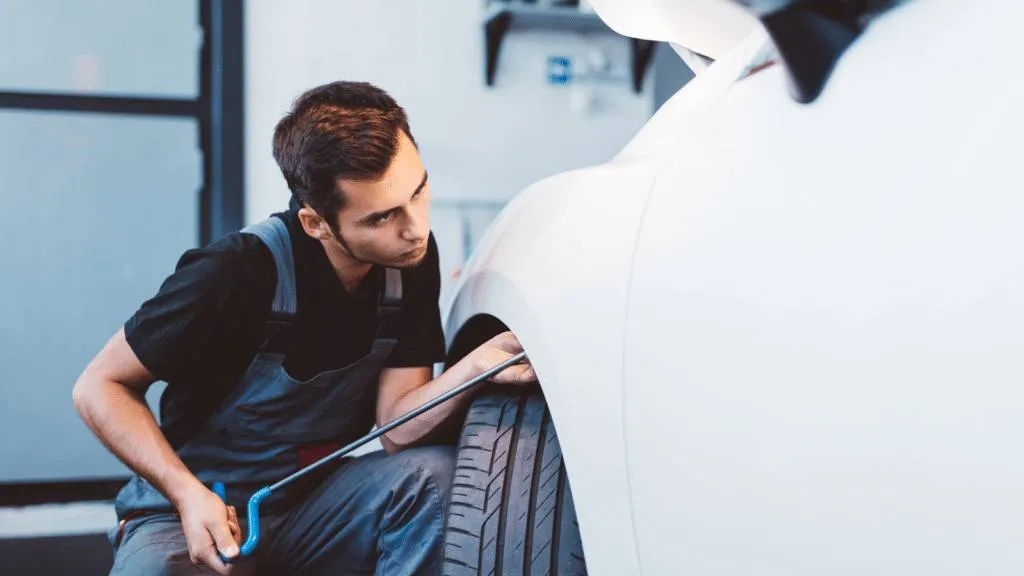
Winter weather creates some of the most challenging conditions for vehicle owners. Snowstorms, icy roads, road salt, and increased debris all contribute to a higher risk of minor dents and dings. Parking lot mishaps, sliding car doors, and hail events become more common during colder months. Paintless Dent Repair (PDR) is a practical solution for addressing winter-related damage without compromising your vehicle’s finish.

Common Winter Damage That Leads to Dents
Cold-weather driving increases exposure to low-impact damage from ice chunks, frozen slush, and road debris striking vehicle panels. Snow-covered parking areas reduce visibility, raising the risk of door dings and minor bumper contact, while transitional winter storms along the Front Range frequently bring hail. Many of these incidents leave shallow dents without paint damage, making them well-suited for Paintless Dent Repair.
How Paintless Dent Repair Works in Cold Weather
Paintless Dent Repair restores dented metal to its original shape using specialized tools without fillers, sanding, or repainting. This approach avoids the challenges posed by cold temperatures, such as paint-curing delays and humidity control issues, allowing repairs to proceed efficiently even when winter conditions make traditional bodywork more challenging.
Faster Turnaround During Busy Winter Months
Auto repair demand rises in winter as collisions and weather-related damage increase, often leading to longer shop wait times. Paintless Dent Repair typically requires fewer labor hours than conventional repairs, helping vehicles return to the road sooner and reducing disruption during a season when dependable transportation is essential.
Preserves Factory Paint and Corrosion Protection
Winter moisture and road salt place ongoing stress on a vehicle’s exterior, making factory paint protection especially important. Paintless Dent Repair keeps the original finish intact, helping protect metal surfaces from rust and corrosion while avoiding the risks of repainting that can arise when temperatures fluctuate.
Reference: dictionary.cambridge.org/dictionary/english/fluctuate
Cost-Effective Option for Winter Damage
Minor dents caused by hail, ice, or parking lot impacts often do not require extensive bodywork. Paintless Dent Repair addresses the dent directly, often resulting in lower repair costs. Insurance providers commonly approve PDR for qualifying claims when paint damage is absent, helping manage winter repair expenses.
Ideal for Hail Season Overlaps
Late winter often brings unexpected hailstorms, creating widespread dent damage across multiple panels. Paintless Dent Repair allows technicians to correct numerous dents without replacing parts or repainting, making it a practical repair method during periods when hail activity overlaps with colder weather.
Maintains Vehicle Value
Preserving original paint and limiting invasive repairs helps protect a vehicle’s resale value. Repairs completed using Paintless Dent Repair often leave no visible signs of prior damage, while addressing winter dents early prevents them from worsening over time.
When Paintless Dent Repair Is the Right Choice
Paintless Dent Repair is most effective for shallow dents where the paint surface remains intact, including hail damage, door dings, shopping cart dings, and minor impacts. A professional inspection evaluates dent depth, panel location, and metal flexibility to determine whether PDR is appropriate.
Final Thoughts
Winter-related dents do not need to wait until warmer months for repair. Contact Certified Hail to schedule an inspection and determine whether Paintless Dent Repair is the right solution for restoring your vehicle after winter damage.
Saturday by appointment only. We are closed Sundays and major holidays.